Lesson 8: 16 Things You Probably Didn't Know About the Pipe Organ
Visit remarkable pipe organs and meet composers from Bach and Franck to Messiaen, discovering how instruments, spaces, and musical imagination have shaped the organ’s extraordinary repertoire.
We've covered a lot of territory.
We've traveled back to ancient Greece, looked inside the organ, explored its families of sound, learned a little about registration, visited famous instruments, and discovered some things to listen for.
So for our final lesson, we're going to do something different.
No long explanations.
Just 16 fascinating things about the King of Instruments.
Some you may remember from earlier lessons.
A few may surprise you.
And at least one may make you wonder who thought it was a good idea in the first place.
1. One of the World's Oldest Playable Organs Dates to the 1400s
An historic organ in Sion, Switzerland, dates from around 1435 and remains playable centuries later.
Imagine playing an instrument that was already making music before Columbus sailed across the Atlantic.
2. The World's Largest Pipe Organ Is in New Jersey
Yes, New Jersey.
The Boardwalk Hall Auditorium Organ in Atlantic City contains more than 33,000 pipes.
The Wanamaker Organ in Philadelphia, with more than 28,000 pipes and six manuals, has often been described as the world's largest functioning pipe organ because portions of the Atlantic City instrument have required restoration.
Apparently, New Jersey doesn't do subtle.
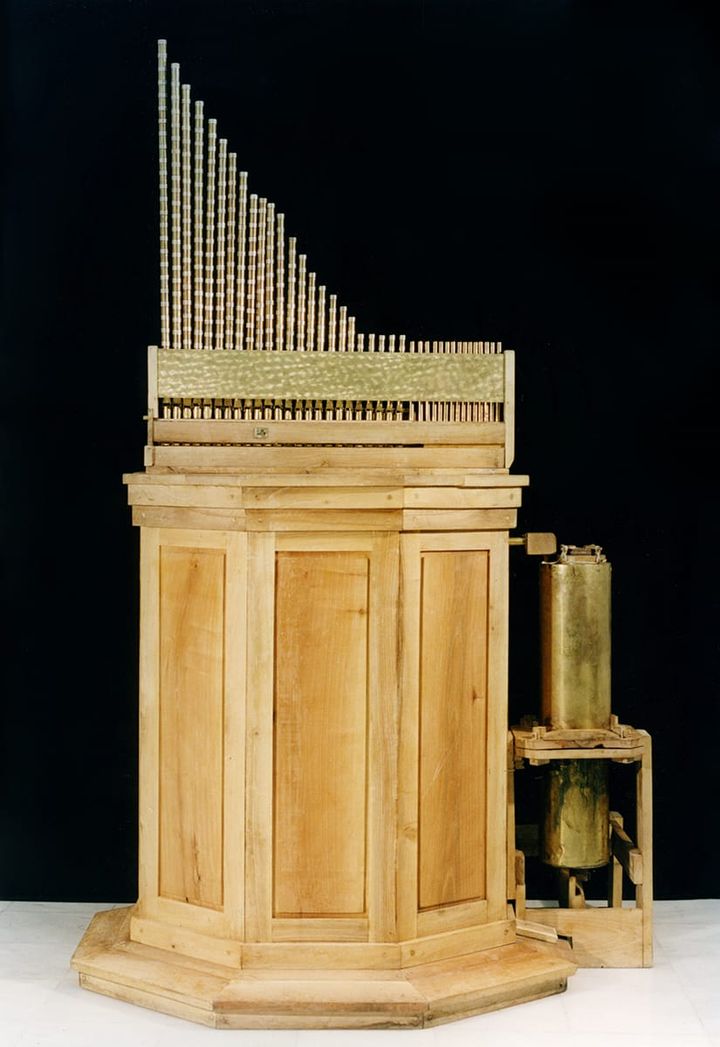
3. Some Organs Were Small Enough to Carry
Not every pipe organ requires a cathedral.
Small portable instruments known as portative organs were used during the Middle Ages.
So yes, there really was such a thing as a portable organ.
Although you're probably not putting the Wanamaker Organ in the trunk.
4. Some Organ Pipes Are Enormous
The largest organ pipes can reach approximately 64 feet in speaking length.
Their pitches are so low that part of the experience can be physical.
You don't merely hear them.
You feel them.
5. And Some Are Tiny
At the opposite end of the instrument, the smallest pipes can be only a few inches long and produce extremely high pitches.
One instrument can therefore contain pipes ranging from tiny whistles to something approaching the height of a six-story building.
6. There's a Reason It's Called the King of Instruments
The pipe organ earned the nickname “King of Instruments” because of its extraordinary complexity, size, tonal variety, and power.
After eight lessons, I suspect you're beginning to understand the nickname.
7. Its Ancestor Ran on Water
Remember the hydraulis?
The earliest known ancestor of the organ dates to ancient Greece in the third century BCE and used water to help regulate its wind supply.
More than two thousand years later, we're still playing descendants of that idea.
8. Someone Once Had to Pump the Organ
Before electric blowers, organs relied upon bellows that had to be operated manually.
That meant someone—or sometimes several people—had to supply the wind while the organist played.
So if you think being the organist is hard, imagine being the person pumping the bellows through a very long Bach prelude and fugue.
9. Organists Really Do Play With Their Feet
The pedalboard isn't there for decoration.
Organists can play independent musical lines with both feet while simultaneously playing different material with both hands.
Four limbs.
Several lines of music.
And preferably the correct notes.
10. There Are Two Basic Kinds of Organ Pipes
Despite the enormous variety of sounds we've encountered, organ pipes fall into two broad categories:
Flue pipes and Reed pipes.
Flue pipes produce sound somewhat like whistles, while Reed pipes use a vibrating reed to create their distinctive tone.
Thousands of pipes.
Two basic ideas.
An astonishing number of colors.
11. The Organ Went to the Movies
During the silent-film era, theater organs accompanied movies and helped create the drama audiences couldn't yet hear from the screen.
The organist could provide music, atmosphere, excitement, and sound effects as the film unfolded.
Before the movie had a soundtrack, the organist helped become the soundtrack.
12. Somebody Built an Organ Out of Ice
According to the original Listener's Companion, an ice organ has been constructed in Luleå, Sweden, for winter performances.
And suddenly tuning the church organ in January doesn't sound quite so bad.
13. Some Organ Performances Can Last for Hours—or Longer
The organ's enormous repertoire has inspired marathon performances lasting many hours and, in some cases, much longer.
If you're attending one of those, you may want to locate the restroom before the opening chord.
14. Birds Made Their Way Into Organ Music
Composer Olivier Messiaen was fascinated by birdsong and incorporated bird-inspired musical ideas into his compositions.
So sometimes when you're listening to organ music, the inspiration may have begun outside the building.
15. Some Pipe Organs Live Outdoors
The Spreckels Organ in San Diego was designed for outdoor performance.
Most organists spend their careers worrying about temperature and humidity.
Apparently someone in San Diego looked at those concerns and said, “Let's put the organ outside.”
16. The Organ Can Even Reach for the Stars
Contemporary composers have used the organ's enormous tonal and dynamic range to create music inspired by space and the cosmos.
From an ancient Greek water organ...
to medieval churches...
to Bach...
to silent movies...
to outdoor organs...
to music inspired by outer space.
That's quite a journey for an instrument powered by air.
And One Terrible Organ Joke
The original Listener's Companion included one final bonus, and I see no legitimate reason to improve our standards now:
Why did the organist bring a ladder?
To reach the high notes.
I didn't say it was a good organ joke.
I said it was an organ joke.
And with that, we've reached the end of our eight Lessons.
But hopefully, not the end of your listening.
Because now when you see an organ console—or hear those first few notes filling a room—you know a little more about what's happening.
You know there's air moving through pipes.
You know those pipes belong to different families of sound.
You know the organist is choosing colors, balancing hands and feet, listening to the room, and shaping the music through registration.
And perhaps most importantly, you know you don't have to understand everything to enjoy it.
You simply have to listen.
Comments ()