
The Pipe Organ Listener’s Companion
Begin a journey into the remarkable world of the pipe organ and discover how a little understanding can help you listen more deeply and enjoy this extraordinary instrument even more.
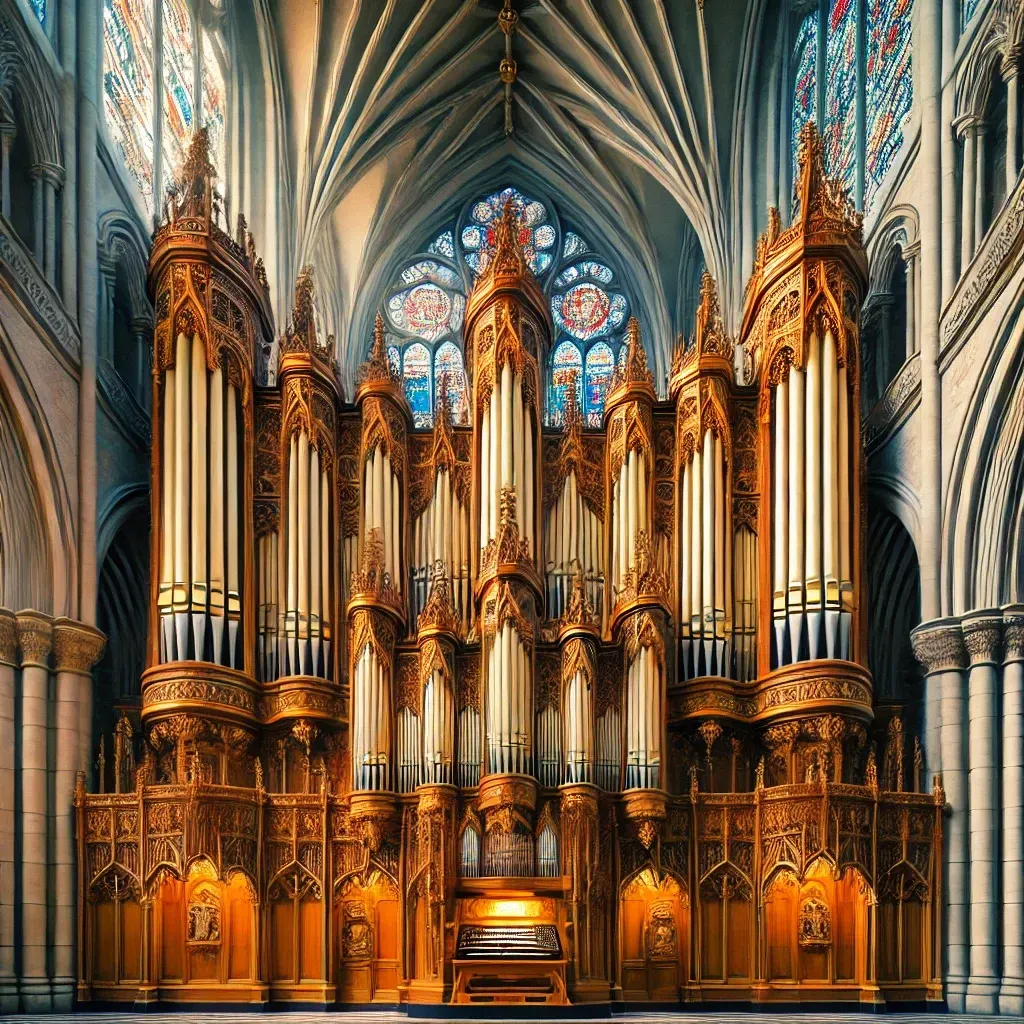
Deepen Your Love for the Instrument That Inspires Generations
Introduction
My fascination with the pipe organ began when I was about two years old.
My mother had taken me to church, and we were sitting close to the organ. I remember being fascinated by this enormous instrument, all lit up and seemingly waiting to be explored.
Then something remarkable happened.
The organist left the console.
Apparently, I recognized an opportunity when I saw one.
I made my way to the organ and began playing my first masterpiece. Unfortunately, the performance was cut rather short when my mother discovered what I was doing and quickly removed me from my new best friend.
I don't remember whether I cried because I got spanked—or because no one would ever hear the finale of my great composition.
Either way, the organ had made an impression.
And it never let go.
An Instrument Unlike Any Other
The pipe organ has often been called the King of Instruments, and it's easy to understand why. It can whisper so softly that you almost have to lean forward to hear it. Moments later, it can produce a sound powerful enough to fill an enormous church or concert hall.
But there's something else about the organ that has always fascinated me.
No two pipe organs are exactly alike.
Different instruments have different pipes, different stops, different acoustics, different histories, and different personalities. An organist doesn't simply sit down and play an instrument. We first have to discover what that particular instrument can do.
For someone sitting in the audience—or perhaps listening through headphones—all of this can seem a little mysterious.
What are all those keyboards for?
Why does the organist play with both hands and feet?
What are stops?
Where is the sound actually coming from?
And why can one organ sound completely different from another?
That's what this little companion is about.
You Don't Have to Be an Organist
This isn't intended to teach you how to play the pipe organ.
Instead, I'd like to help you listen to it.
Over the lessons ahead, we'll look inside the instrument without becoming overly technical. We'll explore some of its history, discover how pipes and stops create different families of sound, meet several great organs and composers, and learn some simple things you can listen for the next time you hear an organ.
Most of all, I hope you'll begin hearing things you may never have noticed before.
Because learning about music can change the way we listen to it.
And once you begin hearing those details, it's very difficult to stop.
So whether you've loved the pipe organ for years, occasionally hear one in church, attend organ concerts, or are simply curious about that enormous instrument with all those pipes, you're welcome here.
Let's begin.
THE PIPE ORGAN LISTENER'S COMPANION
8 Short Lessons about the Pipe Organ
Coming January 22, 2027
FREE TO MEMBERS
Comments ()